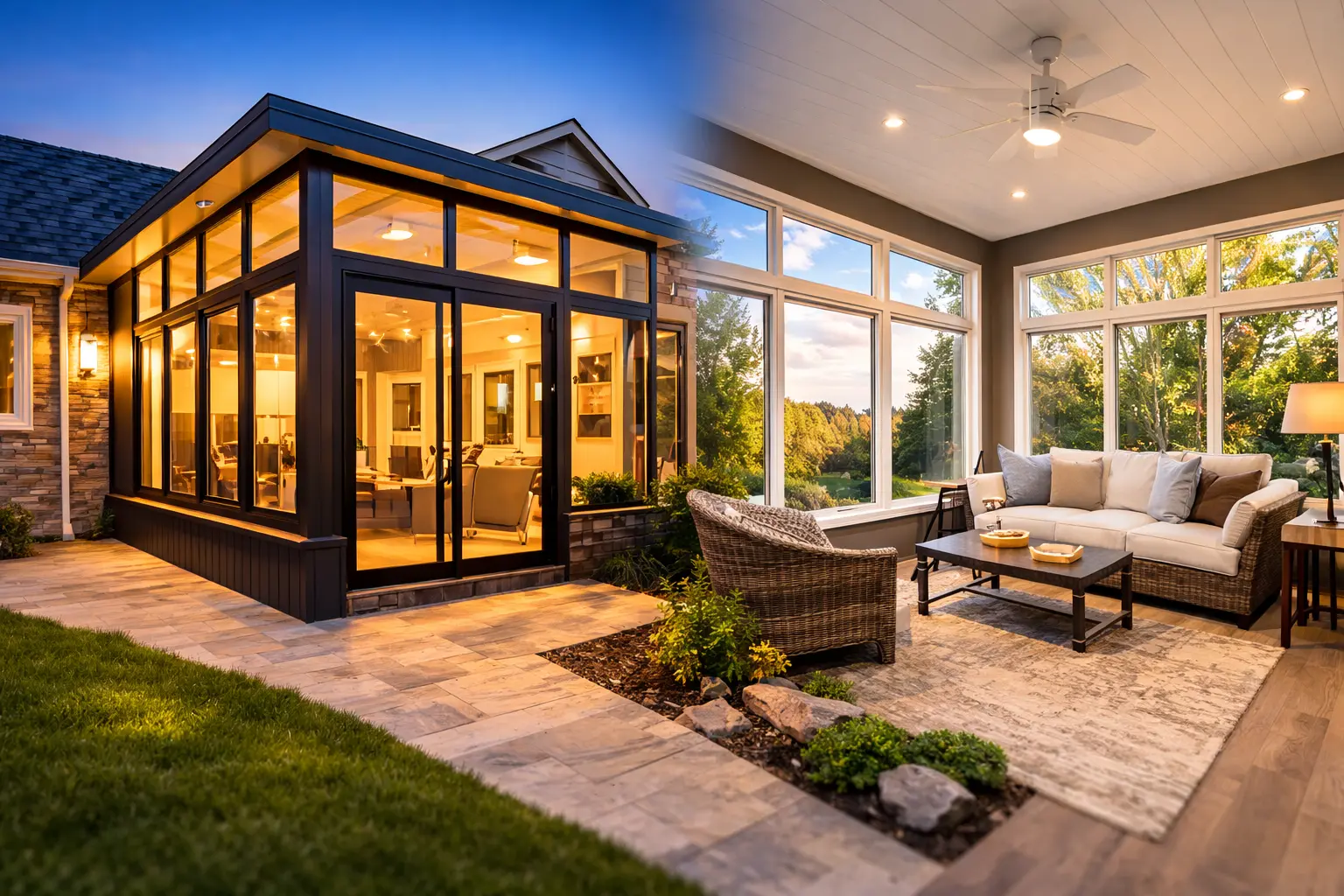
Connection to the House
We coordinate floor height, opening width, circulation, and views so the sunroom works as part of the existing plan.
In Denver, square footage is usually less important than making a limited footprint work exceptionally well. We plan the structure, roof, glazing, access, and finished use around urban bungalows, brick ranches, narrow-lot homes, and renovated infill properties, so the room fits the property instead of repeating a stock enclosure design.
Share the existing patio or deck, the connection to the house, and how the new room should function.
For Denver homes, the design starts with fitting additions into constrained city lots. The following checks shape feasibility, cost, and the finished relationship to the house.
Common goals include a compact dining room, reading room, home office, or protected backyard transition without consuming the entire yard. Room use determines wall space, glass area, door placement, insulation, and mechanical expectations.
We coordinate floor height, opening width, circulation, and views so the sunroom works as part of the existing plan.
Foundation, framing, and roof decisions are based on the actual Denver property—not a prefabricated assumption.
Glass, solid walls, shading, ventilation, outlets, and furniture clearances are arranged around the intended daily use.
These case studies are selected for structural or planning lessons relevant to fitting additions into constrained city lots. Each example shows a specific decision rather than serving as a generic gallery link.
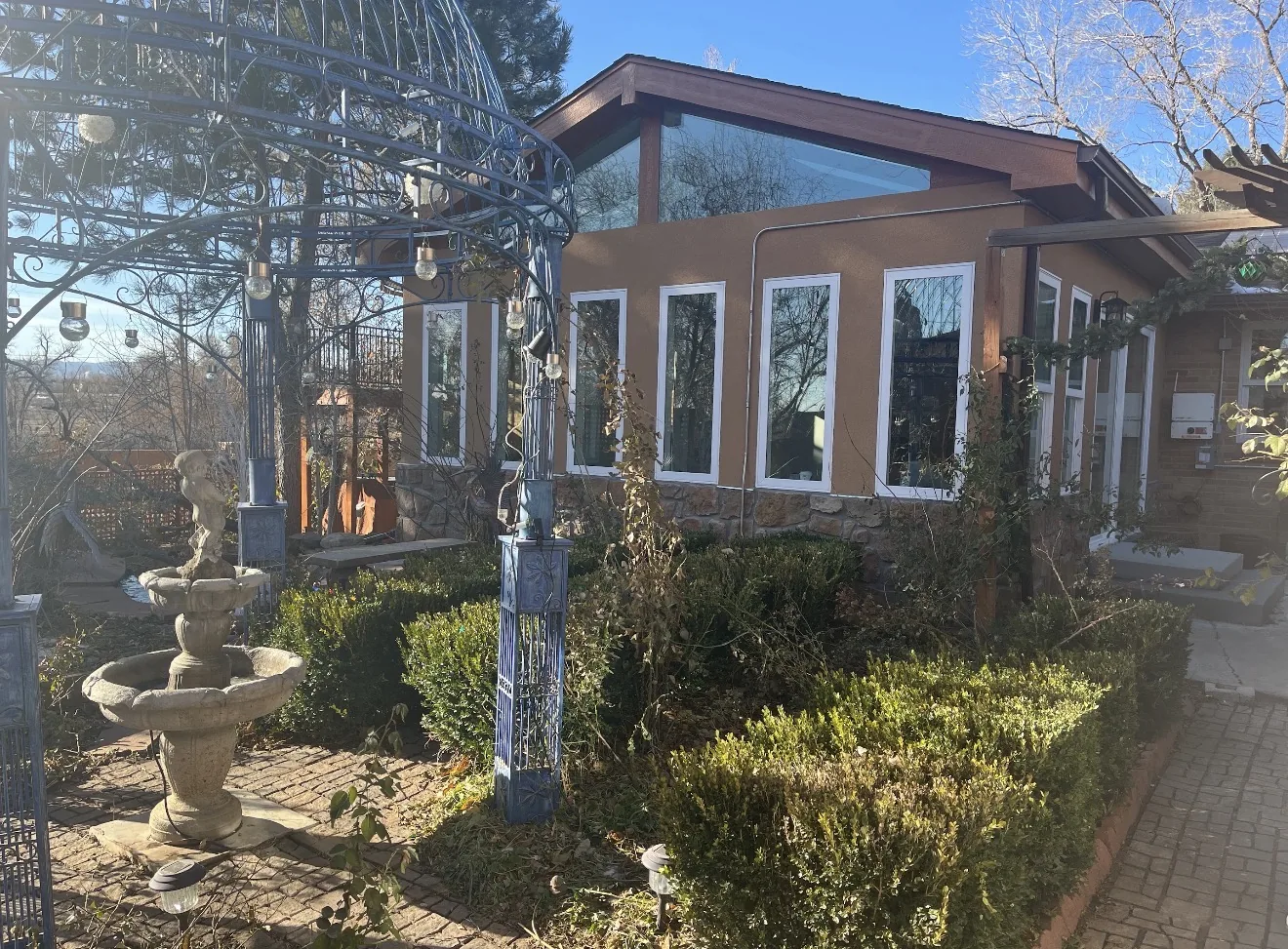
A custom gable-roof sunroom with large windows, a vaulted room feel, and a finished family gathering space tied into the existing home. For a Denver homeowner, this example is useful because it shows how an addition can be coordinated with the existing structure and the intended room use.
View Project Case StudyLakewood Service Area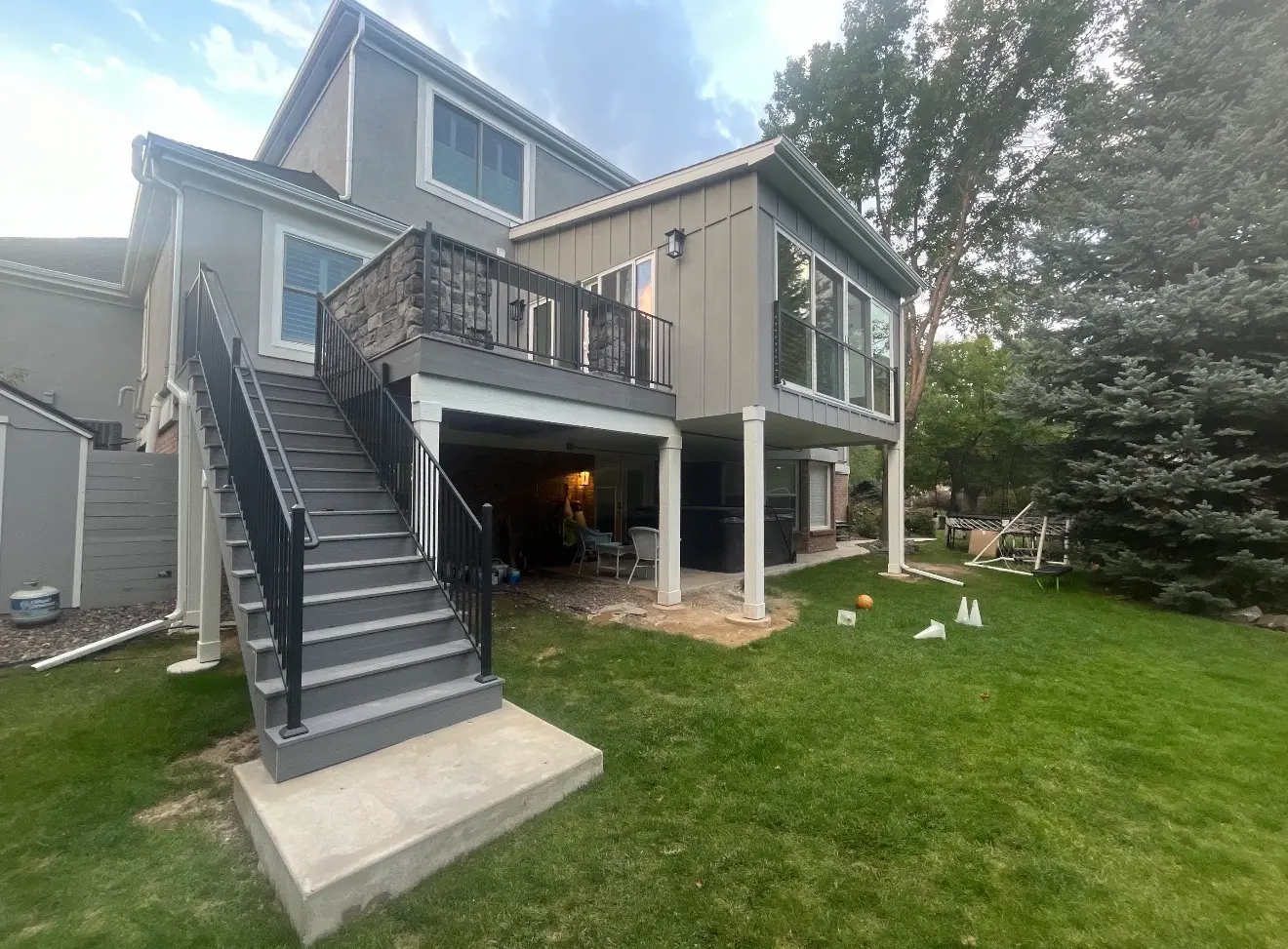
A protected second-story sunroom planned around an upper deck condition, composite decking, steel railings, outdoor grilling space, and stair access to the yard. For a Denver homeowner, this example is useful because it shows how an addition can be coordinated with the existing structure and the intended room use.
View Project Case StudyAurora Service Area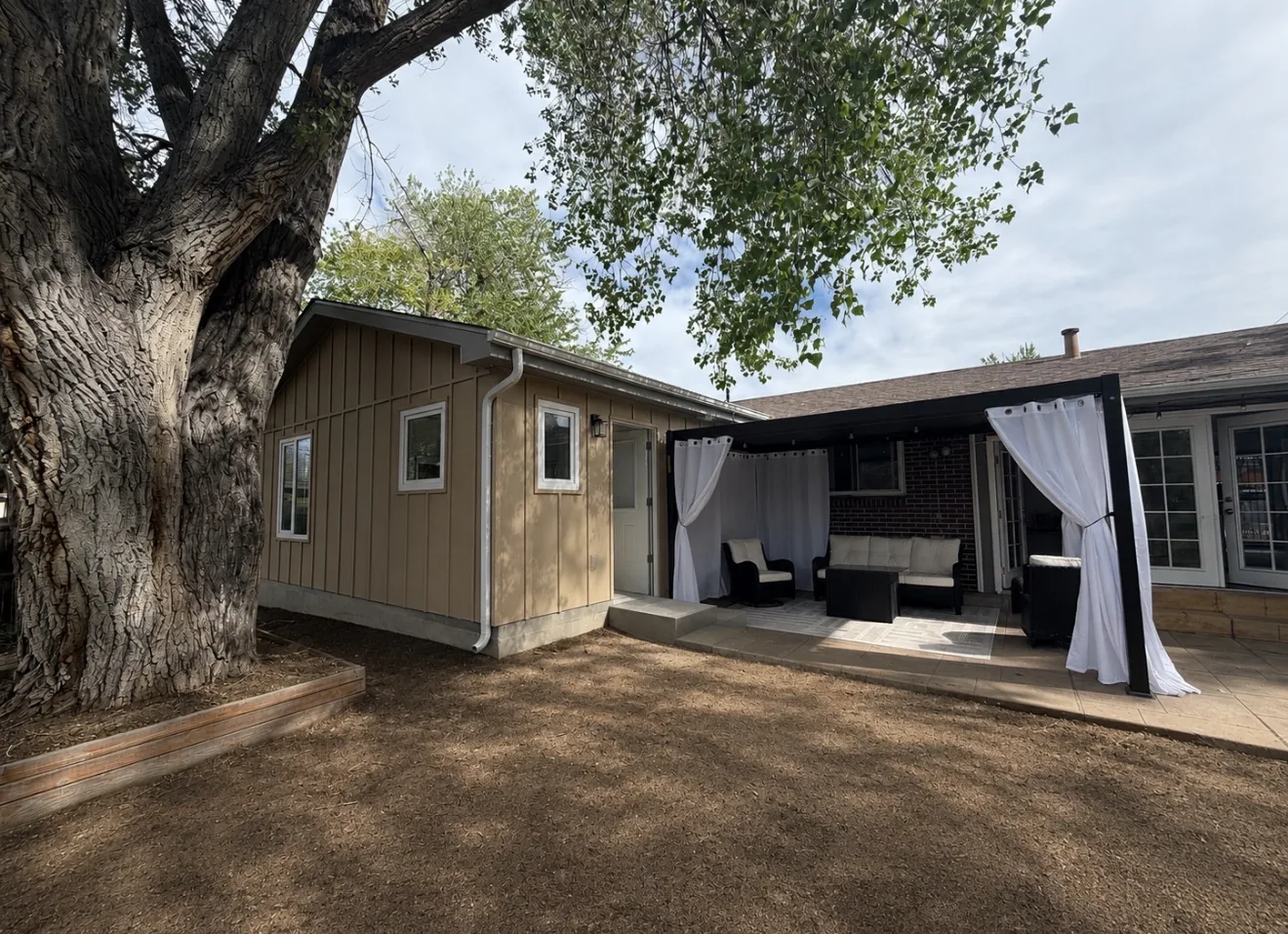
A permitted attached addition with a private bedroom, bathroom, laundry area, kitchenette, independent access, and completed city inspections. For a Denver homeowner, this example is useful because it shows how an addition can be coordinated with the existing structure and the intended room use.
View Project Case StudyCentennial Service AreaYes, but the footprint has to be planned carefully around setbacks, access, privacy, drainage, and how the new room connects to the existing floor plan.
Roofline tie-in, exterior material transitions, window proportions, foundation planning, and a clean connection to the existing kitchen or living space usually matter most.
Often yes. In tighter neighborhoods, side-yard views, fence lines, neighboring windows, and shade direction should shape the glass layout.
Lakewood, Aurora, Centennial, and Wheat Ridge projects show different approaches to finished rooms, elevated conditions, additions, and outdoor living near Denver.
We can review the existing space, roofline, structure, glass options, permit considerations, and the most realistic scope for your home.